

Discover the Benefits of Horizontal Notch Aligner Forming in Rehabilitation Devices
Release time:
2024-11-23
Discover the Benefits of Horizontal Notch Aligner Forming in Rehabilitation Devices Introduction to Horizontal Notch Aligner Forming In the ever-evolving field of medical rehabilitation, ensuring patient comfort and optimal recovery is paramount. **Horizontal Notch Aligner Forming** (HNAF) represents a significant advancement in the design of rehabilitation devices, particularly in the areas of tr

Discover the Benefits of Horizontal Notch Aligner Forming in Rehabilitation Devices
Introduction to Horizontal Notch Aligner Forming
In the ever-evolving field of medical rehabilitation, ensuring patient comfort and optimal recovery is paramount. **Horizontal Notch Aligner Forming** (HNAF) represents a significant advancement in the design of rehabilitation devices, particularly in the areas of traction and correction equipment. This innovative technique not only enhances the functionality of these devices but also aligns with the increasing demand for personalized patient care.
Understanding Rehabilitation Devices and Their Significance
Rehabilitation devices serve a pivotal role in the recovery process for individuals recovering from injuries, surgeries, or debilitating conditions. These devices are designed to support the patient's body, facilitate mobility, and promote healing. Among the various types of rehabilitation equipment, **traction devices** and **corrective apparatus** are crucial in providing the necessary support during the rehabilitation journey.
The Role of Traction Devices in Rehabilitation
Traction devices apply a pulling force to the affected body part, allowing for spinal realignment and alleviation of pain. These devices are particularly beneficial for patients with spinal injuries or conditions affecting the musculoskeletal system.
Corrective Apparatus: Enhancing Body Alignment
Corrective apparatus focuses on aligning the body correctly, thus preventing further injuries and enhancing overall functionality. Their role is integral in rehabilitation, especially for patients requiring long-term support post-injury.
What is Horizontal Notch Aligner Forming?
**Horizontal Notch Aligner Forming** is a technique that involves the creation of precise notches in various rehabilitation devices to enhance their adjustability and effectiveness. This method allows for the customized fit of the device to the patient's anatomy, promoting both comfort and efficacy during use.
The Technical Aspects of HNAF
The process involves intricate design principles and advanced manufacturing techniques to ensure that the notches are uniform and strategically placed. This level of precision is crucial in allowing for adjustments that cater to individual patient needs, thereby improving overall treatment outcomes.
Benefits of Horizontal Notch Aligner Forming in Rehabilitation Devices
1. Enhanced Comfort for Patients
One of the primary benefits of HNAF is the increased comfort it provides to patients. The ability to adjust the alignment and fit of the device ensures that it conforms perfectly to the individual’s body shape, thus reducing pressure points and discomfort during extended use.
2. Improved Functional Outcomes
With HNAF, rehabilitation devices can be tailored to facilitate specific movements or postures that are crucial for recovery. This customization allows patients to engage more fully in their rehabilitation exercises, ultimately leading to better functional outcomes.
3. Reduction in Recovery Time
Tailored rehabilitation devices equipped with horizontal notches can lead to more efficient healing processes. By ensuring optimal alignment and support, patients can experience faster recovery times, allowing them to return to daily activities sooner.
4. Increased Patient Compliance
Comfortable and effective devices lead to higher patient compliance rates. When individuals feel that their rehabilitation equipment is tailored to their needs, they are more likely to adhere to prescribed therapy regimens.
5. Versatility Across Rehabilitation Needs
HNAF can be applied across a wide range of rehabilitation devices, making it a versatile solution for various injuries and conditions. Its adaptability ensures that it can meet the requirements of different patient populations.
Implementation of Horizontal Notch Aligner Forming
Implementing HNAF in rehabilitation devices requires careful consideration of both design and manufacturing processes. This involves collaboration among medical professionals, engineers, and designers to develop devices that meet the highest standards of quality and efficacy.
Collaboration Between Professionals
Successful implementation hinges on interdisciplinary collaboration. Medical professionals must provide insights into patient needs while engineers and designers must translate this information into functional device designs.
Quality Control in Manufacturing
Ensuring that the horizontal notches are created with precision requires stringent quality control measures during manufacturing. This guarantees that the final product meets the required specifications for safety and effectiveness.
Future Perspectives on HNAF in Rehabilitation Devices
As technology continues to advance, the future of Horizontal Notch Aligner Forming appears promising. The potential integration of smart technology and 3D printing techniques could enhance customization even further, ensuring that rehabilitation devices evolve in tandem with patient needs.
Integration of Smart Technology
Smart technology can provide real-time feedback to patients and healthcare providers, allowing for continuous adjustments and monitoring. This data-driven approach can enhance rehabilitation outcomes significantly.
The Role of 3D Printing in Customization
3D printing technology offers unparalleled possibilities for creating tailored rehabilitation devices. By utilizing HNAF principles, manufacturers can produce unique devices that cater specifically to the anatomical requirements of individual patients.
Frequently Asked Questions (FAQs)
1. What conditions can benefit from Horizontal Notch Aligner Forming?
HNAF can benefit a variety of conditions, particularly those requiring traction and alignment, such as spinal injuries, post-surgical recovery, and musculoskeletal disorders.
2. Are there any risks associated with using HNAF devices?
When designed and implemented correctly, HNAF devices are generally safe. However, regular monitoring and assessment by healthcare professionals are essential to mitigate any potential risks.
3. How can I ensure that my rehabilitation device fits properly?
Consulting with a healthcare provider or rehabilitation specialist is crucial. They can assess your needs and ensure that the device has been appropriately adjusted to your body.
4. Can Horizontal Notch Aligner Forming be used in other medical applications?
Yes, while primarily used in rehabilitation devices, the principles of HNAF can be applied in various medical applications where customization and alignment are necessary.
5. How do I choose the right rehabilitation device for my needs?
Selecting the appropriate device involves consulting a healthcare professional who can evaluate your specific condition and recommend the best options available.
Conclusion
Horizontal Notch Aligner Forming represents a transformative approach in the realm of rehabilitation devices. By focusing on patient comfort, customization, and enhanced recovery outcomes, HNAF is set to redefine rehabilitation practices. As we continue to explore this innovative technique, it’s clear that investing in advanced rehabilitation solutions not only benefits patients but also paves the way for improved healthcare practices. Embracing these innovations ensures better recovery experiences, ultimately leading to healthier lives for those undergoing rehabilitation.
RELATED NEWS


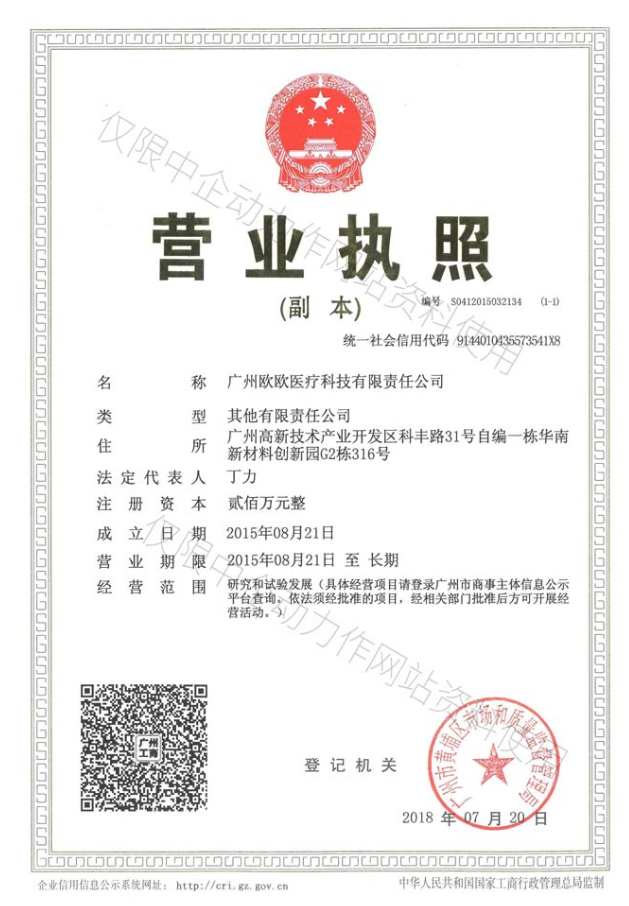
Copyright © Guangzhou OO Medical Scientific Limited
Guangdong ICP 17018612 All Rights Reserved
Email: info@oodental.com
Email: oversea@oodental.com
WhatsApp: +86 18028088504
Tel: +86 20 37879606
Address: Rm 316, Bldg G2, South China Advanced Materials Innovation Park, No.31, Kefeng Rd, Huangpu District, 510663, Guangzhou, Guangdong Province, China