

Transforming Your Smile: The Comprehensive Benefits of Dental Orthodontics
Release time:
2024-10-24
Transforming Your Smile: The Comprehensive Benefits of Dental Orthodontics Table of Contents Understanding Dental Orthodontics The Importance of a Straight Smile Key Benefits of Orthodontics Enhanced Aesthetic Appeal Improved Dental Health Boosted Self-Esteem Types of Orthodontic Devices Traditional Br

Transforming Your Smile: The Comprehensive Benefits of Dental Orthodontics
Table of Contents
- Understanding Dental Orthodontics
- The Importance of a Straight Smile
- Key Benefits of Orthodontics
- Types of Orthodontic Devices
- The Orthodontic Treatment Process
- Aftercare and Maintenance
- Frequently Asked Questions
- Conclusion
Understanding Dental Orthodontics
Dental orthodontics is a specialized field of dentistry focused on diagnosing, preventing, and treating dental and facial irregularities. Through the use of various appliances and techniques, orthodontics aims to align teeth and jaws, ensuring optimal function and aesthetics. Whether you are seeking treatment for yourself or your child, understanding the scope and significance of orthodontics can help you make an informed decision.
The Importance of a Straight Smile
A straight smile goes beyond mere aesthetics; it plays a crucial role in overall health and wellness. Crooked or misaligned teeth can lead to a myriad of issues, including difficulty in chewing, jaw pain, and even speech impediments. Furthermore, a well-aligned smile enhances your appearance and significantly boosts your confidence, influencing both personal and professional relationships.
Key Benefits of Orthodontics
Orthodontic treatment offers numerous benefits, transforming not just smiles but lives. Below are some of the primary advantages of investing in orthodontic care.
Enhanced Aesthetic Appeal
One of the most apparent benefits of orthodontics is the improvement in aesthetic appeal. A straight, well-aligned smile enhances facial symmetry and overall attractiveness. With modern orthodontic options, patients have the opportunity to achieve the smile they’ve always dreamed of, leading to increased happiness and self-confidence.
Improved Dental Health
Straight teeth are easier to clean and maintain, reducing the risk of plaque buildup, cavities, and gum disease. Orthodontics helps in correcting bite issues, ensuring that teeth meet correctly and function properly. This alignment contributes to longer-lasting oral health and can prevent potential dental complications in the future.
Boosted Self-Esteem
A healthy, beautiful smile can dramatically boost self-esteem. Individuals who undergo orthodontic treatment often experience a positive shift in how they perceive themselves and how others perceive them. This newfound confidence can lead to improved social interactions and opportunities, making the investment in orthodontics invaluable.
Types of Orthodontic Devices
Orthodontic treatment utilizes a variety of devices to achieve the desired results. Understanding the different options available can help you choose the best treatment plan for your needs.
Traditional Braces
Traditional braces are the most commonly recognized orthodontic devices. They consist of metal brackets attached to the teeth, connected by wires. This classic approach effectively corrects misalignments and is suitable for patients of all ages. Modern advancements have led to more comfortable materials and less noticeable designs, making braces an excellent choice for those seeking effective treatment.
Clear Aligners
Clear aligners, such as Invisalign, offer a discreet alternative to traditional braces. These custom-made, removable trays gradually shift teeth into the desired position. Clear aligners are particularly popular among adults and teens who wish to maintain a professional appearance during treatment. They also allow for easier oral hygiene, as the aligners can be removed for eating and cleaning.
Lingual Braces
Lingual braces are another discreet option, as they are placed on the back of the teeth, making them virtually invisible from the front. While they function similarly to traditional braces, lingual braces require a higher level of skill from the orthodontist, as they are customized for each patient. This option is ideal for those seeking effective treatment without compromising aesthetics.
The Orthodontic Treatment Process
Understanding what to expect during the orthodontic journey can ease concerns and help you prepare for your appointments.
1. **Initial Consultation**: The process begins with an initial consultation, where the orthodontist assesses your dental condition and discusses treatment options. X-rays or photographs may be taken to create a comprehensive treatment plan.
2. **Treatment Planning**: After establishing the best approach, a personalized treatment plan is developed. This includes discussing the expected duration of treatment and any necessary lifestyle adjustments.
3. **Fitting of Orthodontic Device**: Depending on the chosen device, the orthodontist will place brackets, wires, or aligners, ensuring proper positioning for effective treatment.
4. **Regular Adjustments**: Throughout the treatment, regular follow-up appointments will be necessary to monitor progress and make adjustments to the devices as needed.
5. **Completion and Retainers**: Once the desired alignment is achieved, the orthodontic device will be removed. However, it’s essential to wear retainers to maintain the new position of your teeth.
Aftercare and Maintenance
Proper aftercare is vital for the longevity of your orthodontic results. Maintain good oral hygiene by brushing and flossing regularly, and follow your orthodontist's recommendations for retainer wear. Regular dental check-ups will also help ensure that your teeth remain healthy and properly aligned.
Frequently Asked Questions
1. How long does orthodontic treatment usually take?
The duration of treatment varies, typically ranging from 6 months to 2 years, depending on the complexity of the case.
2. Are clear aligners as effective as traditional braces?
Clear aligners can be just as effective as traditional braces for many cases, but complex issues may require traditional braces for optimal results.
3. Will orthodontic treatment hurt?
Some discomfort may be experienced, especially after adjustments, but this usually subsides within a few days.
4. Can adults get orthodontic treatment?
Yes, adults can benefit significantly from orthodontic treatment, and many options are available to accommodate their needs.
5. How much does orthodontic treatment cost?
The cost of orthodontic treatment varies based on factors like the type of treatment and the duration. Most orthodontists will offer financing options to make treatment more accessible.
Conclusion
Investing in dental orthodontics is a transformative decision that goes beyond merely enhancing your smile. The benefits of orthodontic treatment encompass improved dental health, increased self-esteem, and enhanced aesthetic appeal. Whether you opt for traditional braces, clear aligners, or lingual braces, the journey towards a healthier smile is one worth taking. Embrace the opportunity to transform not just your teeth, but your overall quality of life through orthodontics. With the right care and commitment, achieving a beautiful smile is within reach.
RELATED NEWS


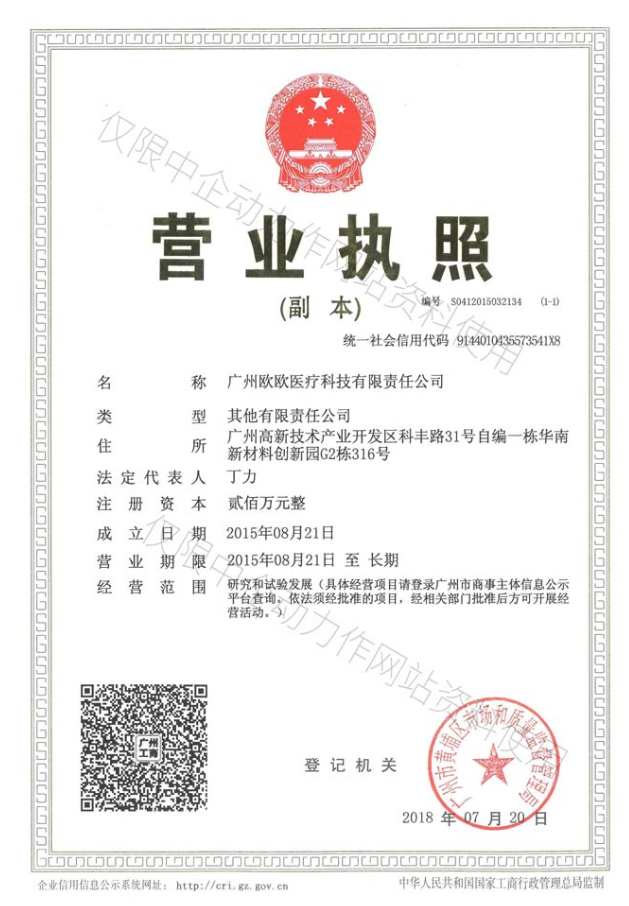
Copyright © Guangzhou OO Medical Scientific Limited
Guangdong ICP 17018612 All Rights Reserved
Email: info@oodental.com
Email: oversea@oodental.com
WhatsApp: +86 18028088504
Tel: +86 20 37879606
Address: Rm 316, Bldg G2, South China Advanced Materials Innovation Park, No.31, Kefeng Rd, Huangpu District, 510663, Guangzhou, Guangdong Province, China