

Maximizing Precision in Dentistry: The Role of Distal End Cutters with Small Heads
Release time:
2024-10-23
Distal End Cutters, particularly those with small heads, play a crucial role in the arsenal of dental instruments used in various procedures. These specialized cutting tools are designed for precision, allowing dental professionals to work with intricate details often required in oral surgeries and orthodontic treatments. Understanding the functionality and benefits of these tools can significantl

One of the primary attributes of Distal End Cutters with small heads is their ability to reach tight spaces within the oral cavity. This is particularly important in cases involving impacted teeth or when working around delicate structures such as nerves and blood vessels. The small head design facilitates maneuverability, allowing practitioners to make precise cuts without compromising surrounding tissues. This precision is essential in minimizing patient discomfort and reducing recovery times.
In orthodontics, Distal End Cutters are invaluable for adjusting or trimming wires that are too long, preventing potential injuries to the cheek or gums. The unique design ensures that the cut is clean and efficient. A poorly executed cut may cause irritation or injury, which can lead to patient dissatisfaction and complications. Thus, using high-quality tools like Distal End Cutters with small heads is paramount for achieving optimal results and maintaining patient safety.
Moreover, these cutters often feature ergonomic handles, which can improve grip and reduce hand fatigue during prolonged procedures. For dental professionals, the ability to maintain a steady hand while performing intricate tasks can make a significant difference in the outcome of a treatment. An ergonomic design not only enhances comfort but also contributes to precision, thus ensuring that dental procedures are executed flawlessly.
When selecting Distal End Cutters for your practice, consider factors such as material quality and design. High-grade stainless steel is commonly used for its durability and resistance to corrosion, ensuring that the instruments remain reliable over time. Additionally, the cutting edges should be finely honed to maintain sharpness, which is essential for achieving precise cuts.
In conclusion, Distal End Cutters with small heads are indispensable tools in the field of dentistry, offering the precision and control necessary for successful treatments. Their design allows for effective manipulation in confined spaces, making them essential for both orthodontic and surgical procedures. By investing in high-quality Distal End Cutters, dental professionals can enhance their practice's efficiency and ensure the highest level of care for their patients. Understanding the value of these tools can lead to better patient outcomes and increased satisfaction within the dental practice.
RELATED NEWS


Copyright © Guangzhou OO Medical Scientific Limited
Guangdong ICP 17018612 All Rights Reserved
Email: info@oodental.com
Email: oversea@oodental.com
WhatsApp: +86 18028088504
Tel: +86 20 37879606
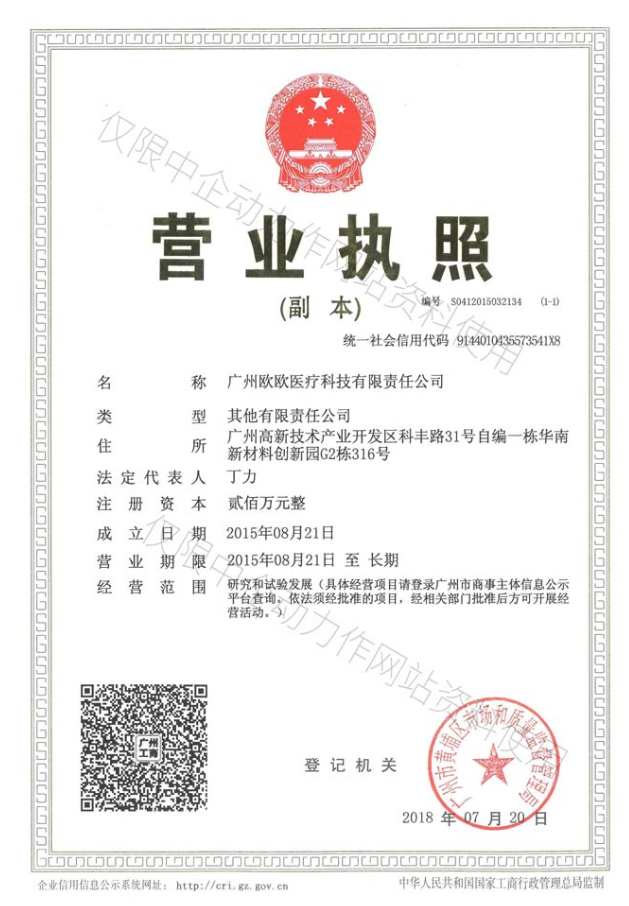
Address: Rm 316, Bldg G2, South China Advanced Materials Innovation Park, No.31, Kefeng Rd, Huangpu District, 510663, Guangzhou, Guangdong Province, China