

Understanding Orthodontic Devices: A Comprehensive Guide
Release time:
2024-09-23
Orthodontic devices, commonly known as braces or aligners, are specialized dental appliances designed to correct misaligned teeth and jaws. These devices play a crucial role in orthodontics, a branch of dentistry focused on diagnosing, preventing, and treating dental and facial irregularities. Understanding the various types of orthodontic devices can empower individuals to make informed decisions

One of the most recognized types of orthodontic devices is traditional metal braces. These consist of brackets, wires, and bands that work together to gradually shift teeth into their desired positions. Braces are highly effective for a wide range of dental issues, including overcrowded teeth, gaps, and bite problems. With advancements in technology, modern braces are smaller, more comfortable, and available in less noticeable materials, such as ceramic or clear plastic.
Another popular option is clear aligners, such as Invisalign. These removable appliances are designed using advanced 3D imaging technology to create a series of custom-fit aligners that gradually move teeth. Clear aligners offer a more aesthetic alternative to traditional braces, as they are virtually invisible when worn. Patients enjoy the added benefit of being able to remove the aligners while eating, drinking, or brushing, making them a preferred choice for many adults seeking orthodontic treatment.
In addition to braces and clear aligners, there are other orthodontic devices, such as retainers and expanders. Retainers are typically used after the removal of braces to maintain the new position of the teeth. They can be fixed or removable and are essential for preventing teeth from shifting back to their original positions. Expanders, on the other hand, are used to widen the upper jaw to create more space for teeth, especially in cases of overcrowding.
The benefits of orthodontic devices extend beyond aesthetics. Proper alignment of teeth and jaws can improve oral health by making it easier to clean teeth, reducing the risk of cavities and gum disease. Moreover, correcting bite issues can alleviate jaw pain and prevent further complications, such as temporomandibular joint disorders (TMJ).
It's important to consult with an orthodontist to determine the most suitable device based on individual needs and dental conditions. They will evaluate your dental health, discuss treatment options, and create a personalized plan to achieve the desired results. Regular follow-ups and adherence to the treatment plan are crucial to ensure effective and timely outcomes.
In conclusion, orthodontic devices are valuable tools in modern dentistry that not only enhance smiles but also contribute to overall dental health. Whether opting for traditional braces or clear aligners, understanding the various types of orthodontic devices can lead to informed choices for achieving a healthier, more confident smile.
RELATED NEWS


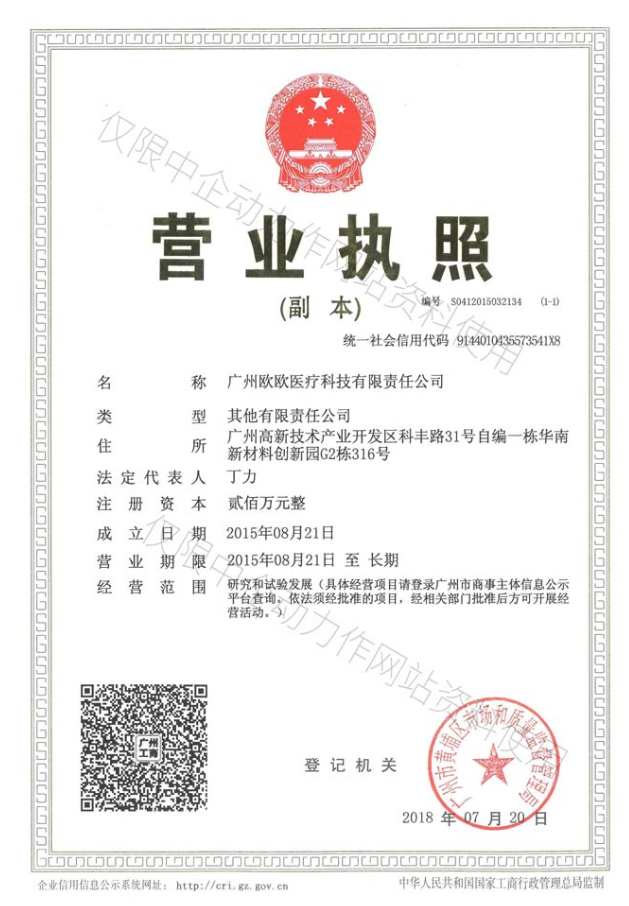
Copyright © Guangzhou OO Medical Scientific Limited
Guangdong ICP 17018612 All Rights Reserved
Email: info@oodental.com
Email: oversea@oodental.com
WhatsApp: +86 18028088504
Tel: +86 20 37879606
Address: Rm 316, Bldg G2, South China Advanced Materials Innovation Park, No.31, Kefeng Rd, Huangpu District, 510663, Guangzhou, Guangdong Province, China